Uluwatu sits on the southernmost tip of Bali's Bukit Peninsula — a limestone plateau that drops into the Indian Ocean in dramatic cliffs along almost its entire edge. The beaches here aren't flat and accessible. They're tucked into coves, hidden at the base of clifftops, reached by steep staircases cut into the rock or narrow jungle paths. Each one feels like a discovery. Each one has a completely different character.
This guide covers all of them. We've organised them by their character — surf beaches, hidden coves, snorkel spots, cultural landmarks — and include what you actually need to know to visit each one well. Distances and travel times are approximate, measured from Sukacita Hill in the green hills of Uluwatu, which sits in the middle of all of it.
"In most of Bali you choose between beach and culture. In Uluwatu, you don't have to. Everything is within 20 minutes."
Quick Reference: All Uluwatu Beaches at a Glance
| Beach | From Sukacita Hill | Best For | Crowd Level |
|---|---|---|---|
| Padang Padang | 5 min | Surfing, swimming | Moderate–Busy |
| Bingin | 8 min | Surfing, cafes, sunsets | Moderate |
| Impossibles | 9 min | Advanced surfing | Low |
| Balangan | 12 min | Surfing (all levels), swimming, sunset, beauty | Low–Moderate |
| Nyang Nyang | 15 min + 45 min hike | Solitude, walking, surf | Very Low |
| Suluban (Blue Point) | 10 min | Surfing, photography, the cave | Moderate |
| Uluwatu (Temple Beach) | 10 min | Advanced surfing, culture | Low (beach), Busy (temple) |
| Dreamland (New Kuta) | 15 min | Surfing (beginners), swimming, sun, families | Moderate–Busy |
| Green Bowl | 20 min | Snorkelling, swimming, seclusion | Very Low |
| Thomas Beach | 18 min | Relaxed swimming, quiet cafes | Low |
The Surf Beaches
Uluwatu is one of the great surf destinations on earth. Not because it has a famous wave (though Padang Padang certainly is), but because of the density: five world-class breaks within a 10-minute radius. Each works at different tides, different swells, different skill levels. You can surf three different spots in a single day without leaving the peninsula.
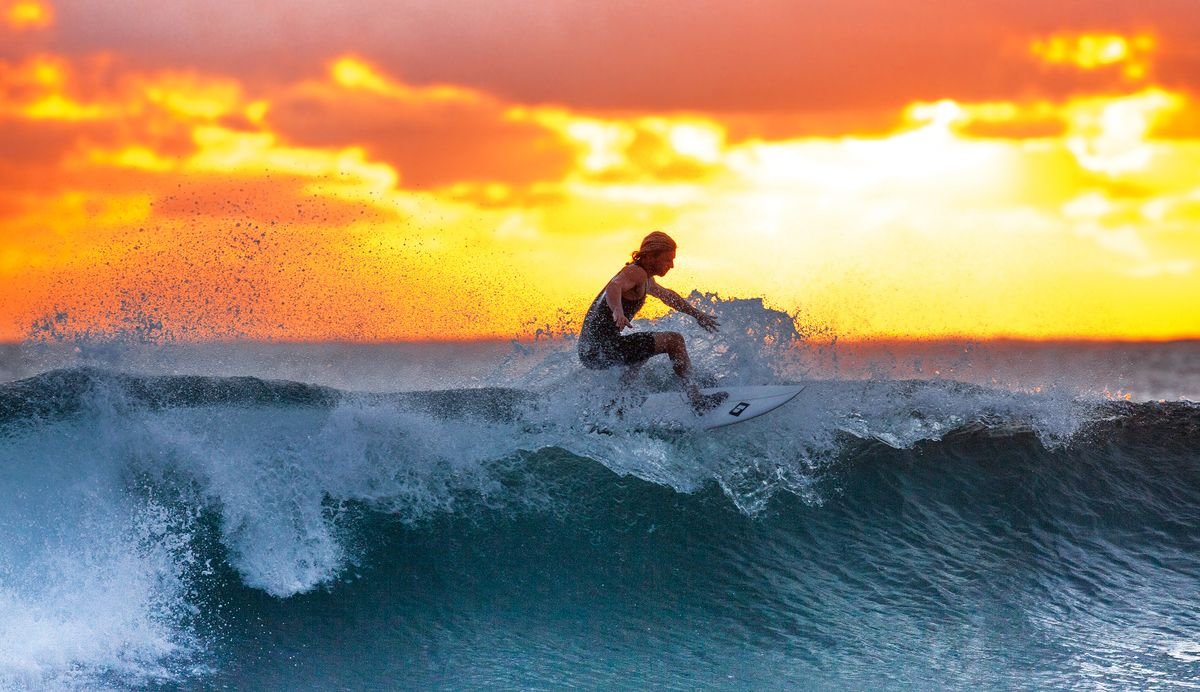
The name most surfers have tattooed in their minds before they ever arrive in Bali. Padang Padang is a short but powerful left-hand reef break that fires on a solid SW swell, best at mid to low tide. When it's on, it's one of the best waves in Indonesia — a barrelling, mechanical left that can hold up to double overhead.
The beach itself is stunning even when the waves are flat: a small cove of white sand enclosed by limestone boulders, reached through a narrow gap in the cliff. Entry is via a set of stairs cut into the rock. The setting is intimate and theatrical. Even non-surfers come just to watch.
It gets crowded, especially from 9am onward. Staying at Sukacita Hill means you can be in the water at dawn — before the masses arrive from Canggu on scooters.
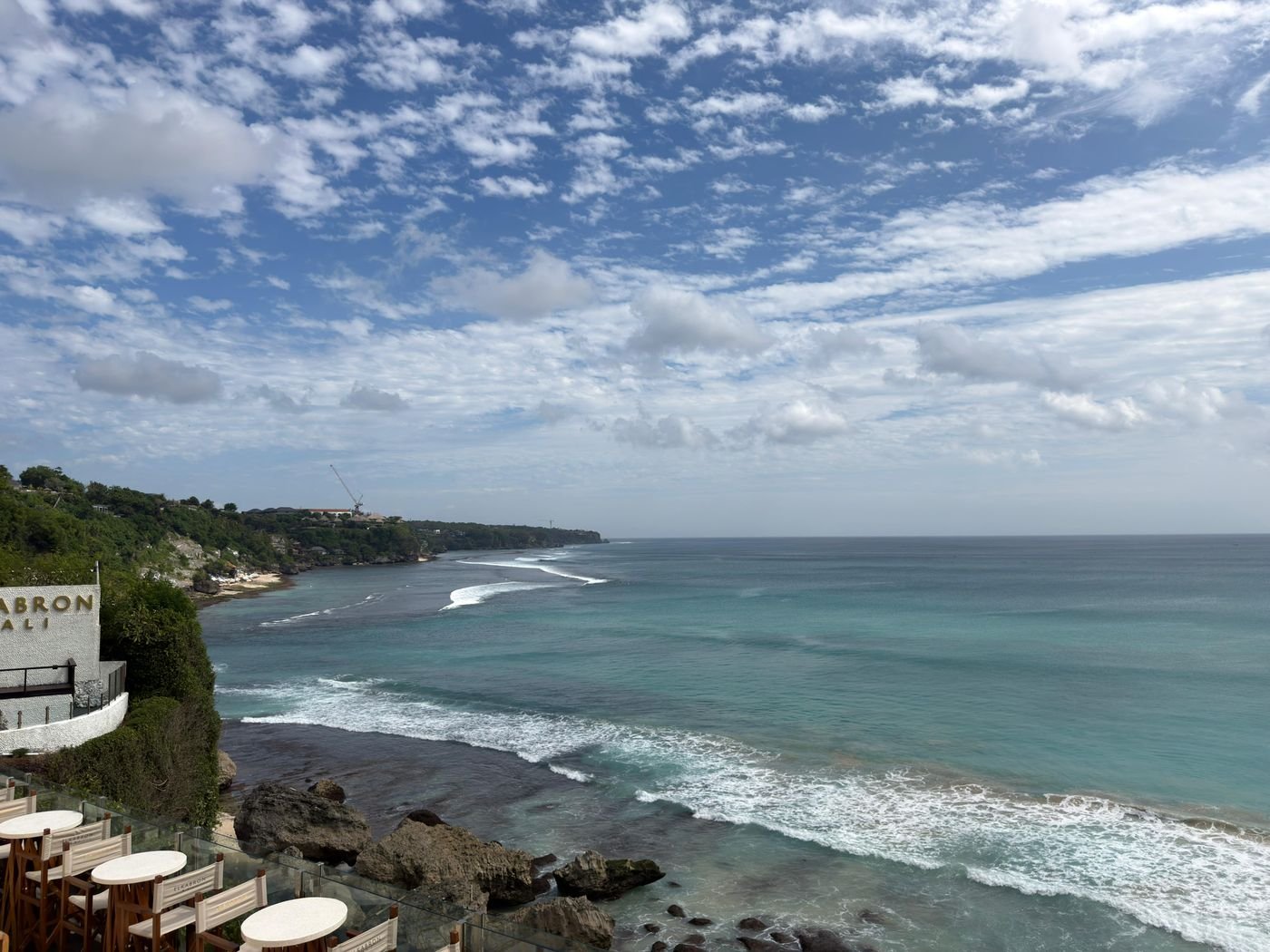
Bingin is the one that seduces people into staying longer than planned. The beach sits at the base of a steep clifftop path — accessible only on foot, a series of steps and sloping lanes past a collection of clifftop warungs — and when you arrive, the reward is immediate. Small, horseshoe-shaped, with turquoise water and a string of laid-back cafes built directly into the cliff face.
The wave is a short, hollow left-hand reef break that works at all tides. More forgiving than Padang Padang but still punchy enough to be satisfying. It's an excellent spot for intermediate surfers building confidence on reef, and it's rarely as crowded as Padang.
Even if you don't surf, Bingin is worth coming for the atmosphere. Sunset here, with a cold Bintang on a cliff-edge terrace watching sets roll through, is one of those Bali moments that doesn't require any embellishment.
Named for the seemingly impossible linking of three separate reef sections that, on a good SW swell at mid-high tide, connect into one long, racing left-hander. When it works, it produces some of the longest rides on the Bukit. When it doesn't fully link, it's still three separate quality waves.
Impossibles sits between Padang Padang and Bingin, accessible via a clifftop path. It doesn't get the attention of its more famous neighbours, which means the crowd is always thinner. For experienced surfers who know what they're looking for, this is one of the highlights of the peninsula.
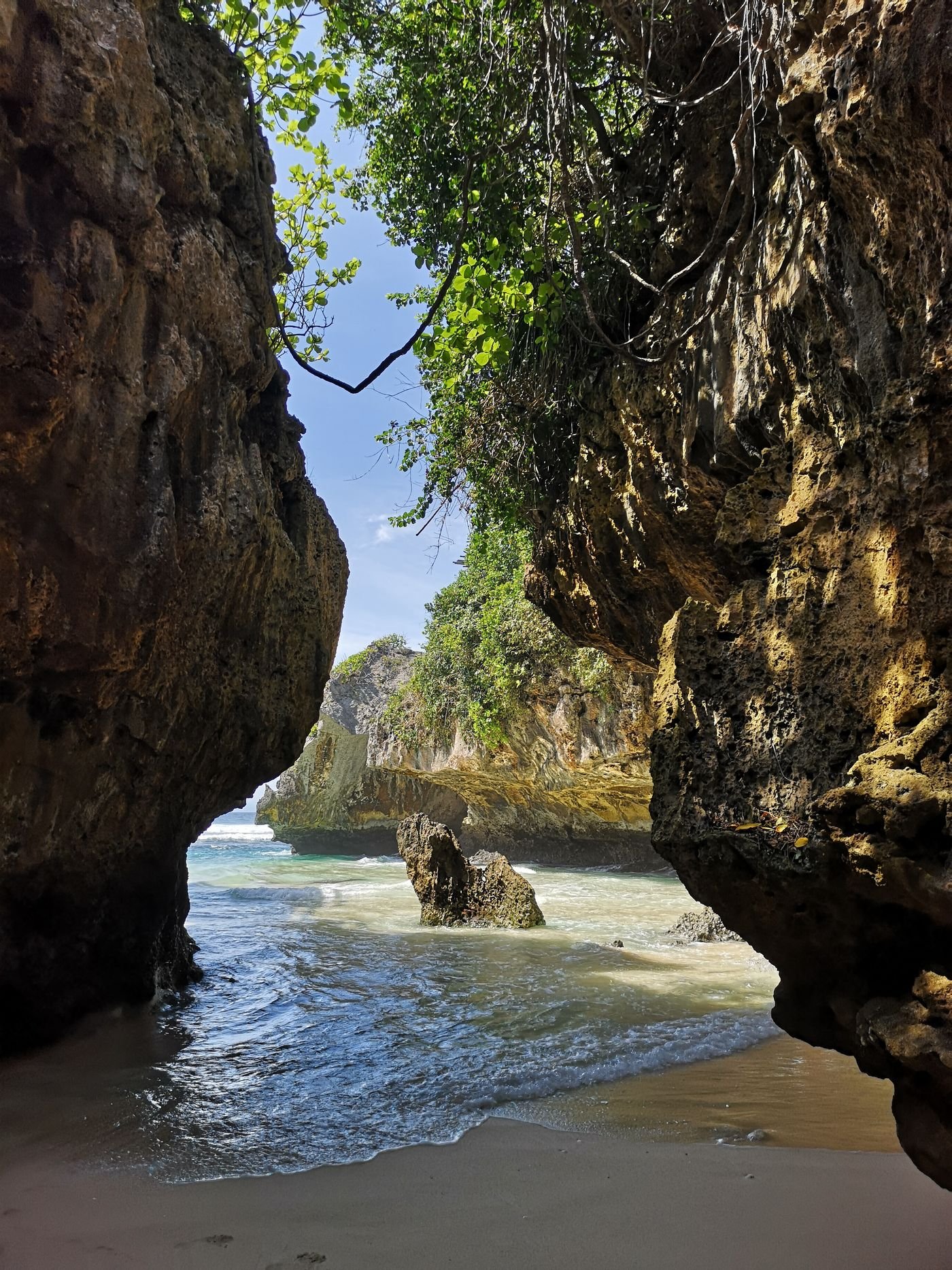
Suluban is accessed through a sea cave — a narrow passage in the limestone cliff that opens into a dramatic cove at low tide. At high tide the cave floods and the beach disappears entirely. The timing of your visit determines which experience you get, and both are worth having.
The surf break here — Blue Point — is a powerful, consistent left-hand reef that handles overhead-plus swell with authority. It feeds directly into the main Uluwatu break and shares its character: heavy, consequence-heavy, not for beginners. The clifftop above it hosts a row of warungs with arguably the best surfing vantage point on the peninsula.
For photographers: this is one of the most dramatic compositions on the whole Bukit. The cave entrance, the cliff walls, the wave breaking below, the temple visible in the distance. Come at low tide, bring a wide lens.
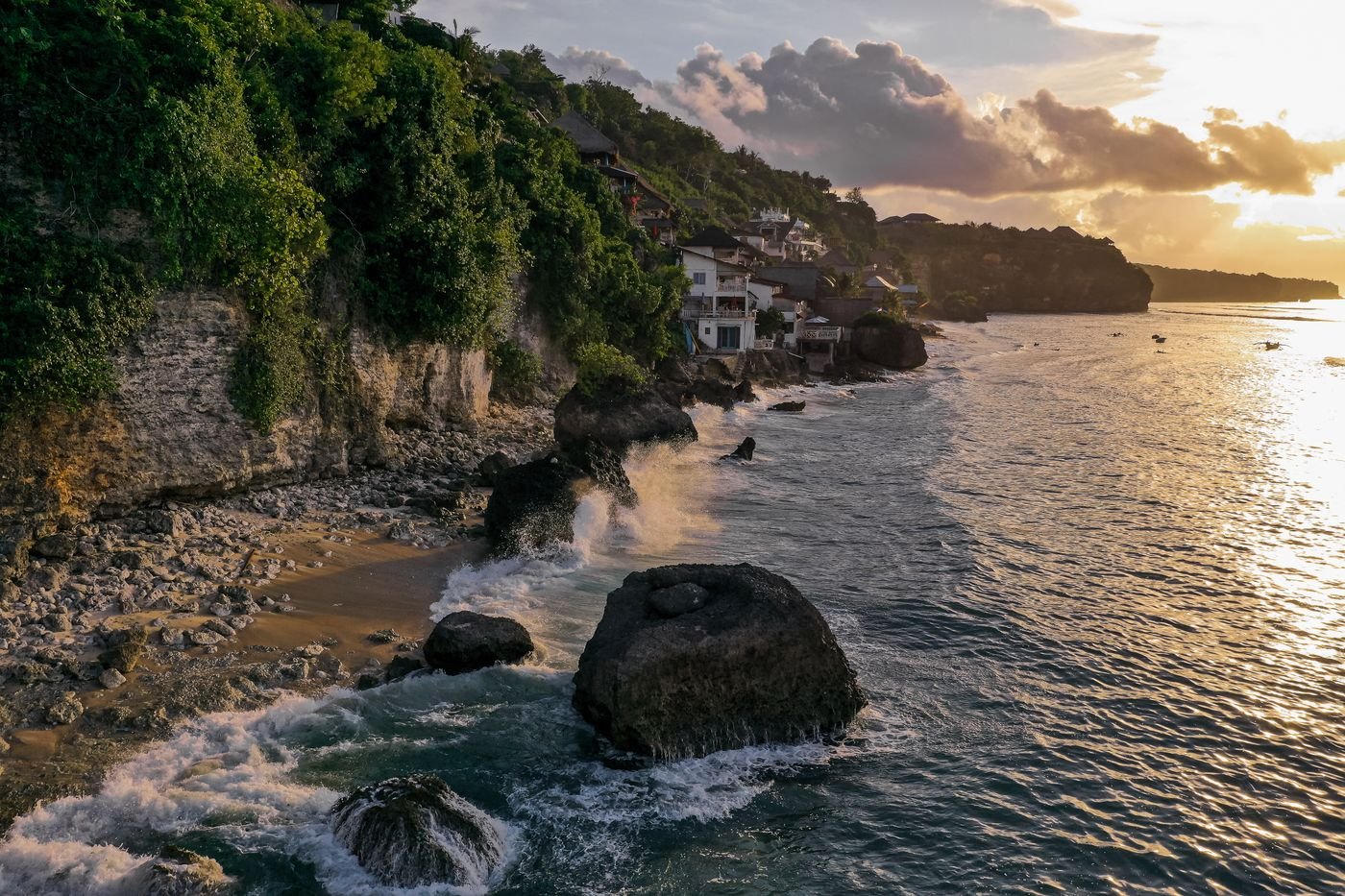
Balangan is both one of the most beautiful beaches on the Bukit and a genuinely excellent surf spot — a combination almost no other beach here can claim. The wave is a long, fast left-hand reef break with multiple sections: on a clean SW swell at high tide, you can link rides of over 100 metres from the headland all the way to the warungs. The wave naturally spreads surfers across the sections, so the crowd pressure stays lower than at Padang Padang despite being a consistently quality break.
The beach itself rewards anyone who isn't surfing: a wide crescent of pale sand, limestone cliffs, and some of the best water visibility on the Bukit. Suitable for intermediate surfers on medium swells and beginners when it's small and the tide is high. On a 4–8ft swell, it's a proper wave that demands respect.
Dreamland has a split personality that makes it one of the most versatile beaches on the peninsula. At one end: a beach break that works on both swells and is one of the most forgiving waves in Uluwatu for beginners — the sandy bottom (unusual in a region dominated by reef) means wipeouts are kinder, and the wave shape is relatively predictable. Surf schools use this beach for exactly that reason.
At the other end: wide open sand ideal for a lazy day in the sun. Non-surfers, families, and groups where half the people don't get in the water will all find their place here. Sunbeds, warungs, and consistent afternoon sun make it the best pure leisure beach on the Bukit.
The wave that put the Bukit Peninsula on the global surfing map. Uluwatu has been filmed, photographed, and dreamed about since the 1970s — a long, fast, left-hand reef system that breaks below the temple cliffs in multiple sections. On a clean SW swell it can produce rides of 200–300 metres across several connected peaks: the Peak, Racetracks, Outside Corner.
Access is through the temple grounds (a small entry fee applies) and down a long staircase cut into the cliff face. Legendary in the truest sense — this is a wave that many surfers spend their careers working toward. Outside of peak swell, it's manageable for strong intermediate surfers. When it's firing overhead-plus, leave it to those who live here.
The Hidden Beaches
These are the ones that reward effort. Some require a hike, some require timing your arrival with the tide. But they are, reliably, some of the least crowded and most beautiful stretches of sand anywhere in Bali.
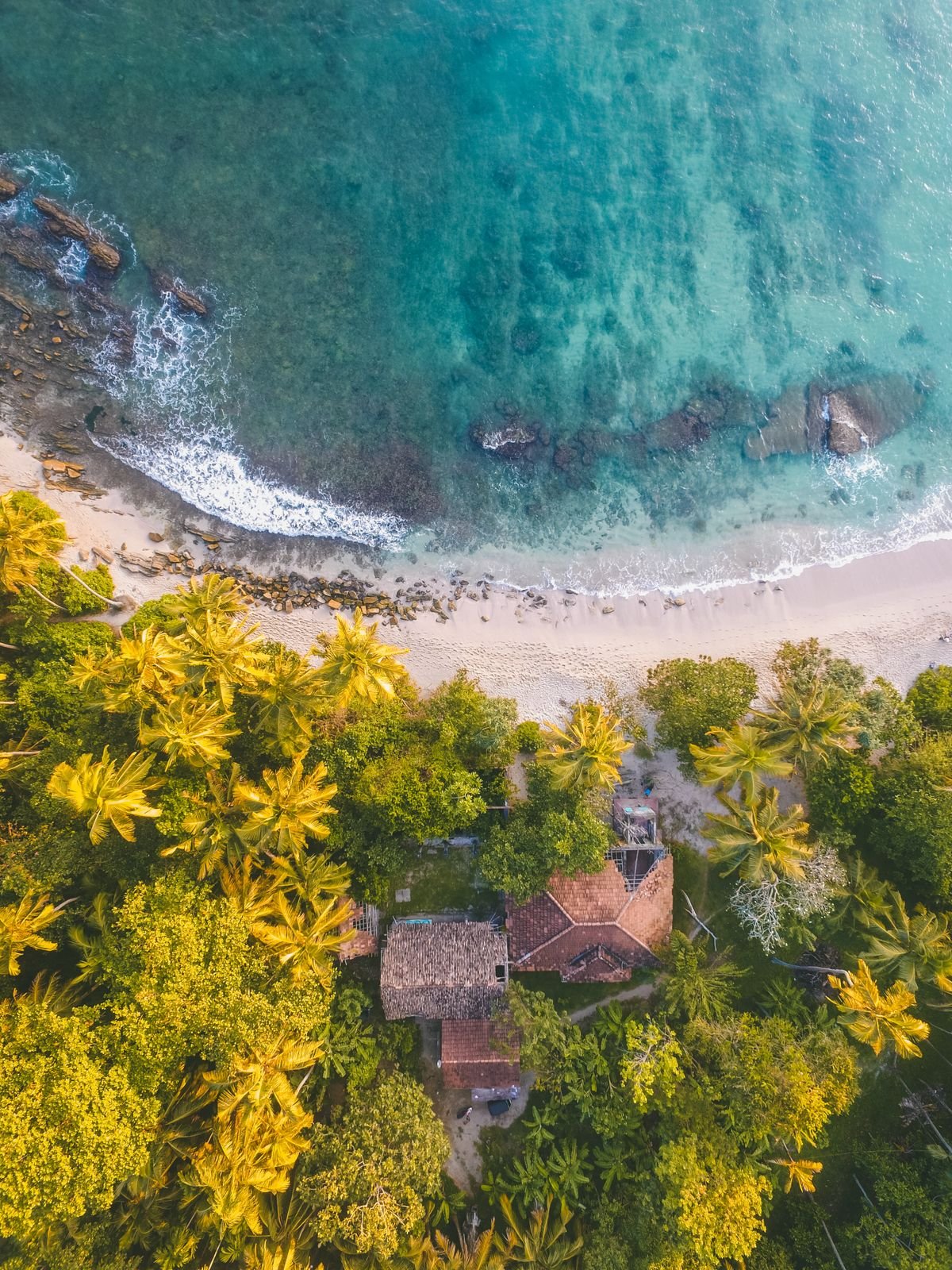
There is no short cut to Nyang Nyang. You park your scooter at the top of the cliff, follow a narrow path through dry scrubland, and descend a steep, rocky trail for 30–45 minutes. It's not technical, but it requires decent shoes and a litre of water. The path isn't well signposted. You'll probably wonder, halfway down, whether you've gone the right way.
Then you arrive. And the beach is enormous, pristine, and almost entirely empty — a full kilometre of white sand and dark volcanic rock, a long beach break that very few people even know about, and the kind of silence you've been searching for since you landed in Bali.
The hike back up is harder than the way down. Plan two hours minimum for the visit. Wear sunscreen. Bring lunch. And leave before 3pm — the descent in the heat of the afternoon, combined with the climb back up, is more punishing than it sounds.
From Sukacita Hill, this is your closest luxury villa to Nyang Nyang. After the hike, the sauna and ice bath back at the villa are not optional — they're the perfect recovery.
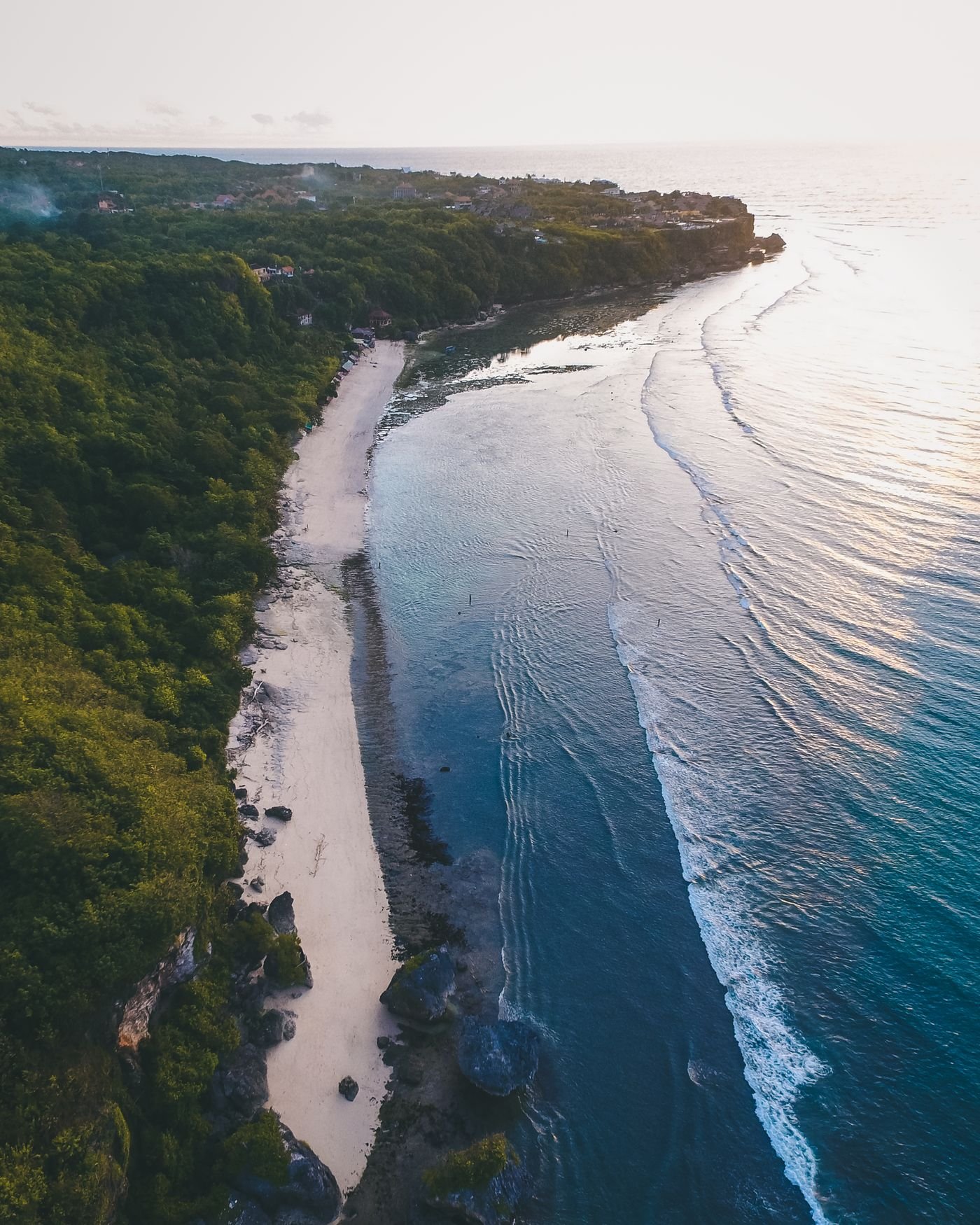
Green Bowl is accessed via approximately 300 steps carved directly into the limestone cliff face. The steps are steep, the handrail is intermittent, and the descent takes around 15 minutes. At the bottom: one of the clearest, most pristine beaches in Bali, almost always empty on weekdays, with shallow crystal water and a small coral reef a short swim offshore.
It's named for the bowl-shaped green moss formations in the limestone cave overhangs at the end of the beach. Monkeys live in these caves and will absolutely steal anything you leave unattended. This is not a warning to ignore.
Excellent for snorkelling — the reef begins about 30 metres from shore and the water visibility is exceptional. It's not a surf spot; it's a swimming and exploration beach. The calmest water on the Bukit and one of the most beautiful settings you'll find.
Thomas Beach sits quietly between Padang Padang and the tourist development of New Kuta, somehow managing to avoid both the surf crowds and the resort foot traffic. It's a wide, gently curving beach with a small reef break at one end and calm, swimmable water across most of the length.
The cafes here are genuinely relaxed — the kind of places where a plate of nasi goreng, a coconut, and an afternoon reading a book is entirely acceptable behaviour. No pressure to leave. Nobody trying to sell you anything. For a low-key beach afternoon away from the surf intensity, Thomas Beach is the answer.
Pura Luhur Uluwatu & the Kecak Fire Dance
No guide to Uluwatu is complete without the temple. Pura Luhur Uluwatu is one of Bali's six key directional temples — a 1,000-year-old sea temple perched on a sheer 70-metre limestone cliff above the Indian Ocean. It is, by almost any measure, one of the most dramatically situated religious sites in Southeast Asia.
The temple itself is relatively compact and modest in scale, but the setting is extraordinary: the coral-coloured stone structures against the sky, the cliff edge dropping straight to the churning sea below, the monkeys moving freely through the grounds (keep sunglasses and small bags close — they steal). The ocean views from the cliff walk extend for kilometres in both directions.
Entry requires a sarong and sash around the waist — available for loan at the entrance. The best time to visit is late afternoon, ideally arriving around 5pm to walk the grounds before sunset.
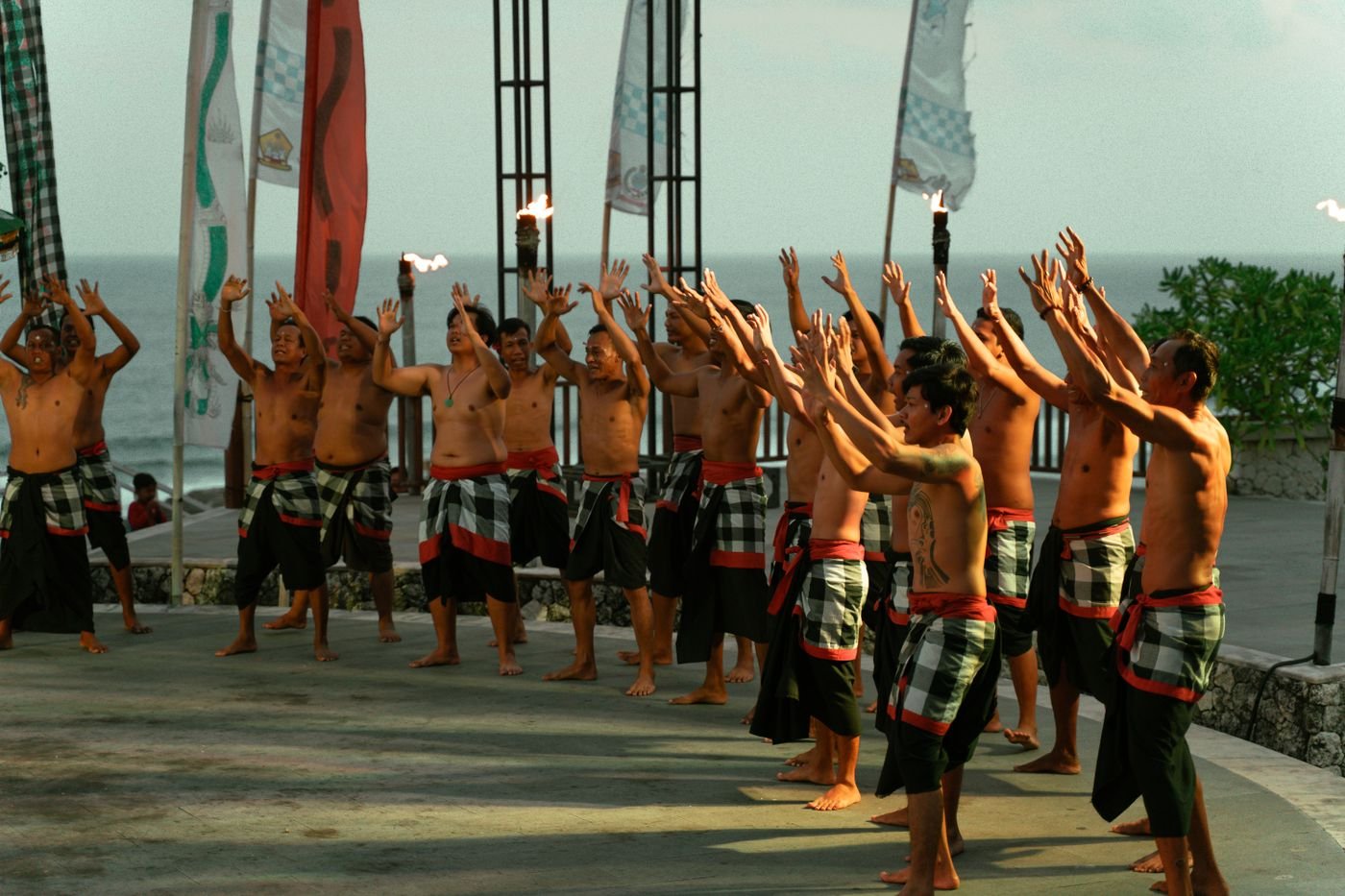
At sunset, the Kecak fire dance is performed on a stone platform at the cliff's edge, with the ocean 70 metres below and the sky going orange behind it. The Kecak is drawn from the Hindu epic Ramayana — approximately 50–70 men chanting the hypnotic kecak rhythm in overlapping patterns while dancers enact the story of Rama and Sita. There is no musical instrument. The human voice IS the music. The performance lasts around 45 minutes and it will stay with you.
How to See Every Beach: A 7-Day Uluwatu Plan
If you have a week at Sukacita Hill, here's how to spread the beaches across it without rushing anything.
Day 1: Settle in. Late afternoon walk to Bingin. Watch sunset from the cliff cafe. Don't surf — just arrive.
Day 2: Dawn patrol at Padang Padang (6am before the crowd). Contrast therapy recovery back at the villa. Afternoon: Balangan for non-surfers, or flat day option is Thomas Beach.
Day 3: Nyang Nyang. Start early — on the path by 8:30am. Bring food and water. Return by 2pm. Sauna and ice bath mandatory when you get back. Outdoor cinema in the evening.
Day 4: Surf day at Bingin (morning) and Impossibles (if the tide cooperates in the afternoon). Sunset at Bingin cliff cafe again because it's worth repeating.
Day 5: Uluwatu Temple in the late afternoon, arrive 4:30pm. Walk the grounds. Kecak dance at sunset. Dinner in Jimbaran or back at the villa chef.
Day 6: Green Bowl. Allow two hours including the descent and climb. Snorkel. Monkeys. Back for lunch at the villa. Afternoon free or Suluban cave beach at low tide.
Day 7: One last dawn session at Padang Padang. Slow morning. Leave later than planned. They all do.
Getting Around: Scooter vs Driver
All of these beaches are reachable by scooter from Sukacita Hill — which is the fastest, most flexible, and most satisfying way to move around the Bukit. Scooter rental is available locally and costs around IDR 80,000–100,000 per day. Parking at most beaches is IDR 2,000–5,000.
For groups who prefer not to navigate: a driver for the day costs approximately IDR 350,000–500,000 (full day, 8–10 hours) and gives you a local guide who knows the tide schedules, the parking logistics, and the back routes that skip the tourist traffic. Sukacita Hill's team can help arrange one.
The distances in this guide reflect the reality of Bukit roads: narrow, winding, sometimes unpaved for the last stretch. Twenty minutes on a scooter is different from twenty minutes on a motorway. That's part of the charm.